Region clusters
No public map clusters are available yet.
Search completed guide routes and public lake records only.
Maps and tools
Use the map hub to find source-backed lake points, filter by county or region, and jump into official map sources when current access details need verification.
Source-backed statewide map
The map lists only lake records with source-backed WGS84 coordinates approved for public browsing. Records still under review stay out of the public map.
When no lake points are available, the page stays useful with safe links to Sources, Lakes, and the homepage.
The first click requests public point JSON, draws a lightweight point preview, and lists matching lake records without loading a heavy map service.
Nothing interactive or heavy has loaded yet. Use the button to request source-reviewed public points.
Clusters are counted only from lake records with source-backed map centers approved for public browsing. When data is not available yet, this section points you back to safe discovery routes.
No public map clusters are available yet.
No public map clusters are available yet.
These links open the source families the import and source-trail system is designed around. They do not replace lake-page field sources; each published lake fact still needs its own source trail.
MinnesotaLakes.info keeps official verification close: identity and fish records come from LakeFinder, depth and basin fields come from source-matched datasets, and route planning stays link-first.
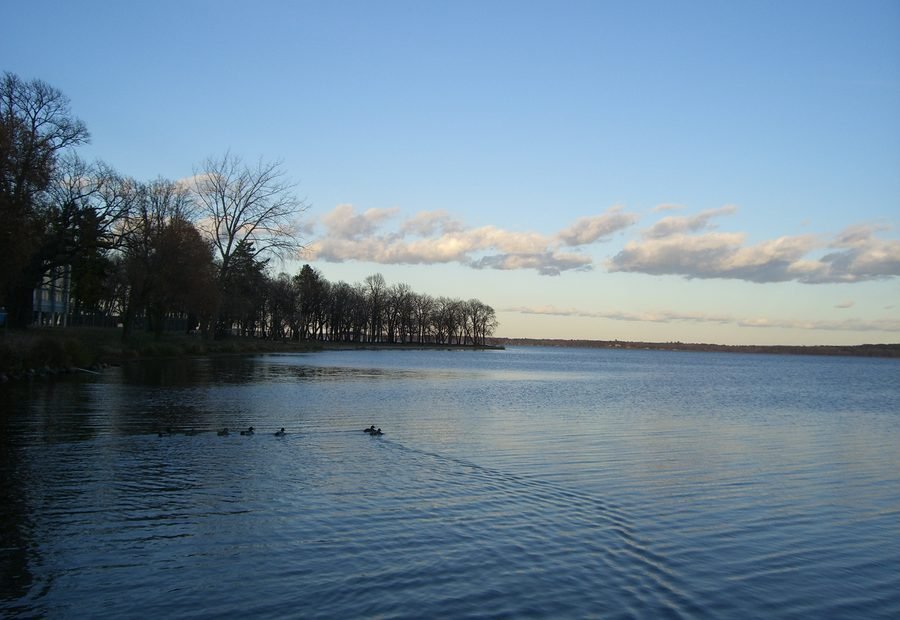
A practical walk-through for using Minnesota DNR LakeFinder as the first stop for lake identity, surveys, fish links, maps, and official lake resources.
Open LakeFinder help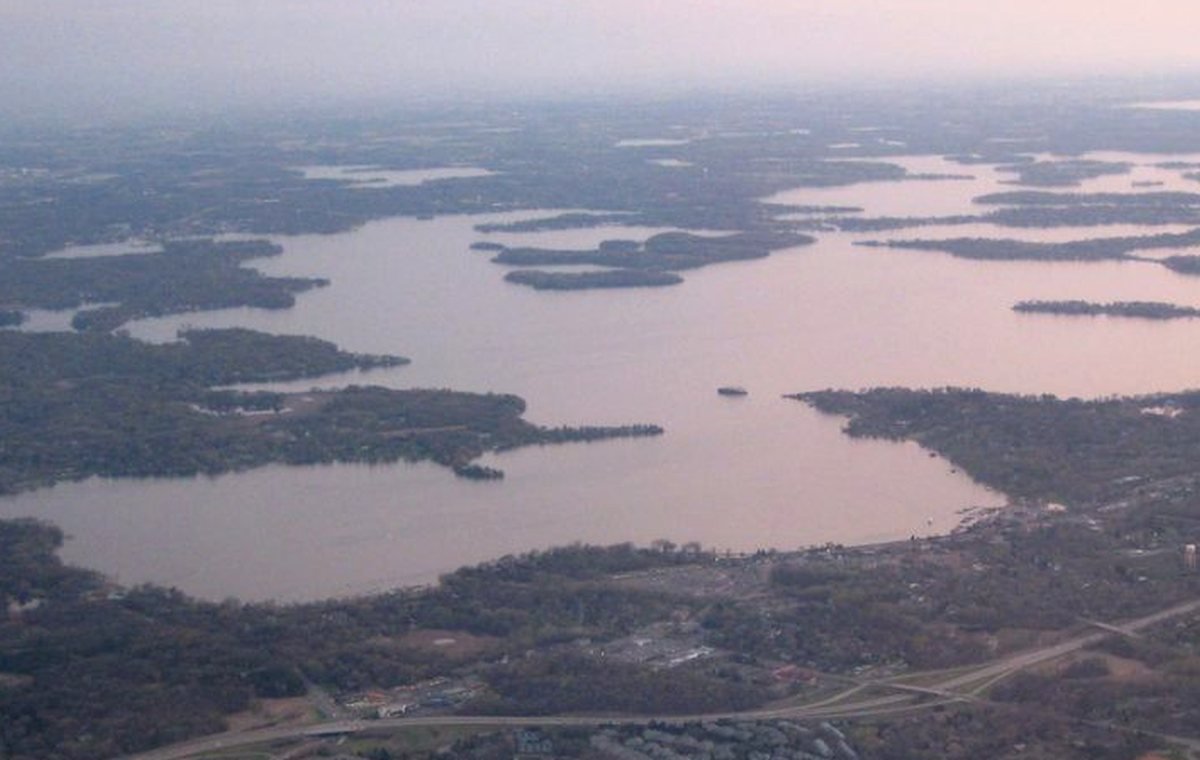
Learn how to approach DNR lake maps, basin morphology, depth fields, and bathymetry resources without using fake depth graphics or unsupported measurements.
Open depth map guide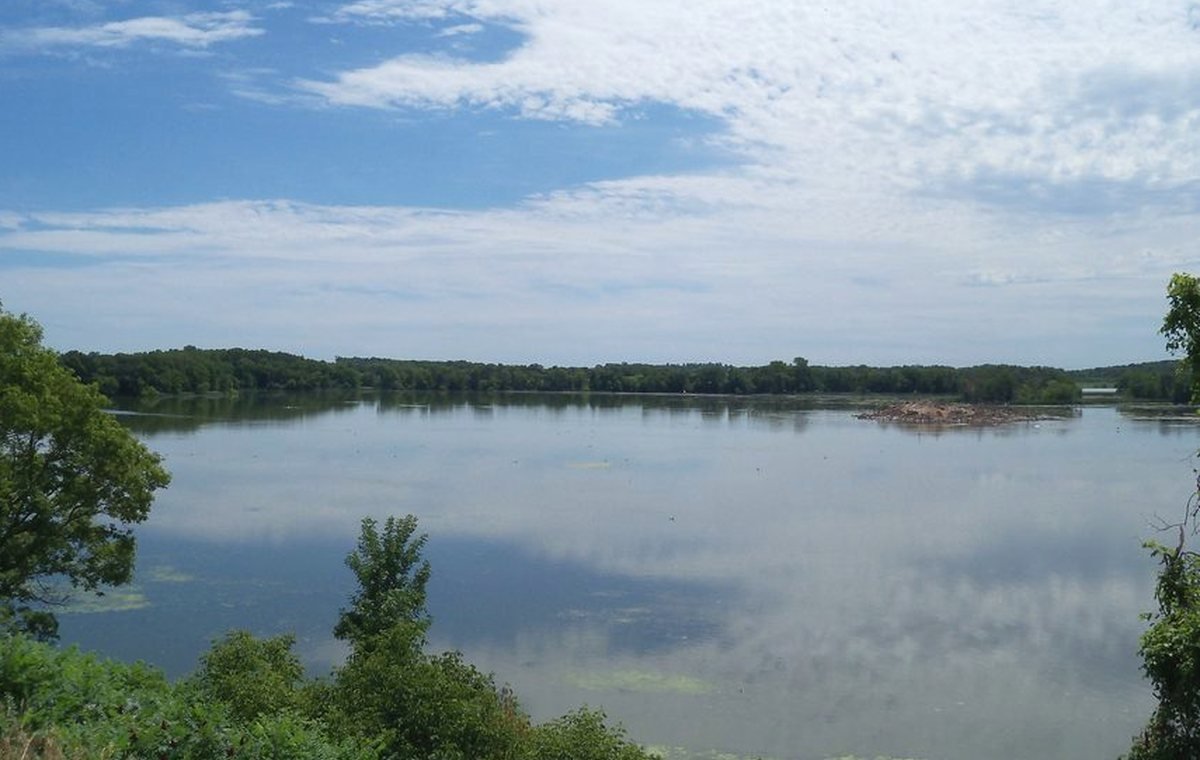
Use Google Maps and route tools for orientation and travel planning while keeping lake access, advisories, regulations, and source trails official-link-first.
Open route-planning guideThe map system is designed for the full lake library, but it stays truthful before the data arrives.
Map points require official lake identity, a source-backed coordinate, and public readiness status.
Heavy interactive maps stay off the initial page load. This keeps browsing fast on phones and slower connections.
Open access, advisories, beach status, ice safety, and local conditions can change. Use official links for those current decisions.