Trust system

How to read a source trail like a lake-page detective

Decode source badges, withheld fields, official links, freshness notes, and why a missing fact is sometimes a quality feature.

5 minutes Easy read 3 source links
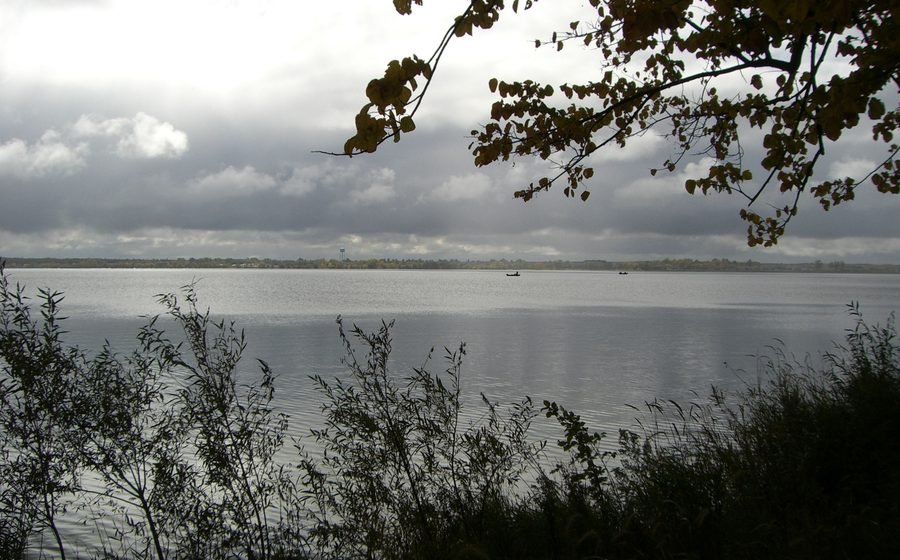
Fall shoreline view of a Minnesota lake used for the source-trail homepage card.
Lake Bemidji fall view — Wikimedia Commons source

Lake explainer

Start with the idea.

The source trail is the visitor’s map from a lake-page claim back to the source family that supports it. It also explains why some tempting details—current conditions, safety, access, or advisories—are linked out instead of copied into static guide copy.

A source badge answers “why should I trust this?”

Good source trails name the source family, describe what it supports, and avoid stretching that source beyond its purpose.

Withheld fields protect visitors.

If a field is identity-conflicted, current-sensitive, unsupported, or not yet reviewed, withholding it keeps the page from looking finished when it is not.

Official links are part of the guide.

Leaving the site for an official link can be the right visitor path when the topic is current, regulated, safety-related, or too specific for a static summary.

Visual explainer

A quick diagram for the idea.

This is an educational visual, not a lake-specific measurement or decorative map substitute.

Source-backed visual guide

Source trail explanation

Explains why some facts appear and others are withheld.

Official source Explain, verify, then publish
Field match Explain, verify, then publish
Review gate Explain, verify, then publish
Public display Explain, verify, then publish
Withhold when unsure Explain, verify, then publish
Source rule: Public facts are displayed only when the source trail supports the field. Conflicted or high-risk current topics are withheld or linked to official sources.
Source trail infographic; it teaches the evidence path without exposing internal record keys.

Source trail

Where this guide points next.

Use this as educational context. Lake-specific details still require the exact lake record and visible source trail.

Keep learning

Keep exploring

Useful next steps

These links stay inside completed MinnesotaLakes.info routes so visitors can move from maps, guides, counties, sources, and lake records without dead ends.

Lakes

Use the lake archive. It shows public lake records only when source and map context are ready.

Lakes

Maps

Use the finished map hub for LakeFinder help, depth-source guidance, official source links, and click-to-load map data.

Maps

Collections

Open curated discovery modules for big lakes, clear-water records, family trips, paddling, fishing by region, fall color, Metro lake days, Boundary Waters, and North Shore planning.

Collections

Sources

Review the official-source backbone and how source trails decide what can be published.

Sources