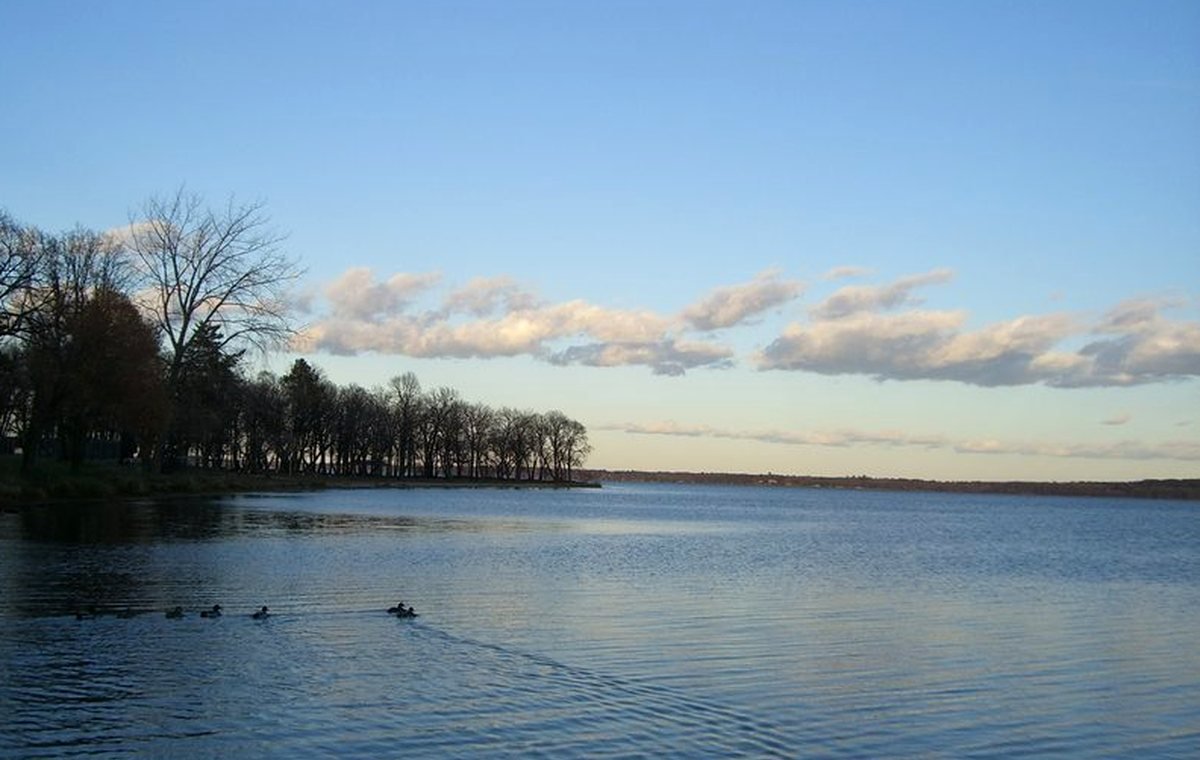
Source-aware activity guide
Plan the experience without pretending conditions are fixed.
A lake plus a trail can make a great day, but public pages need specific sources. Trail names, access points, park rules, and closures should come from official public-land or local sources.
Public land gives the strongest context.
State parks, forests, county parks, wildlife areas, and water trails can support lake-adjacent planning when cited directly.
Trail conditions can change.
Flooding, ice, maintenance, hunting seasons, and closures can affect access. Current status belongs with the trail manager.
Tie the hike back to the lake.
Useful pages explain how the trail, shoreline, watershed, or overlook helps visitors understand the lake, not just collect unrelated attractions.