Paddling

Quiet paddling escapes: how to look for calmer water responsibly

A planning guide for lower-impact paddling, smaller-water thinking, source-backed access, and no secret-spot hype.

5 minutes Low-impact planning 4 source links
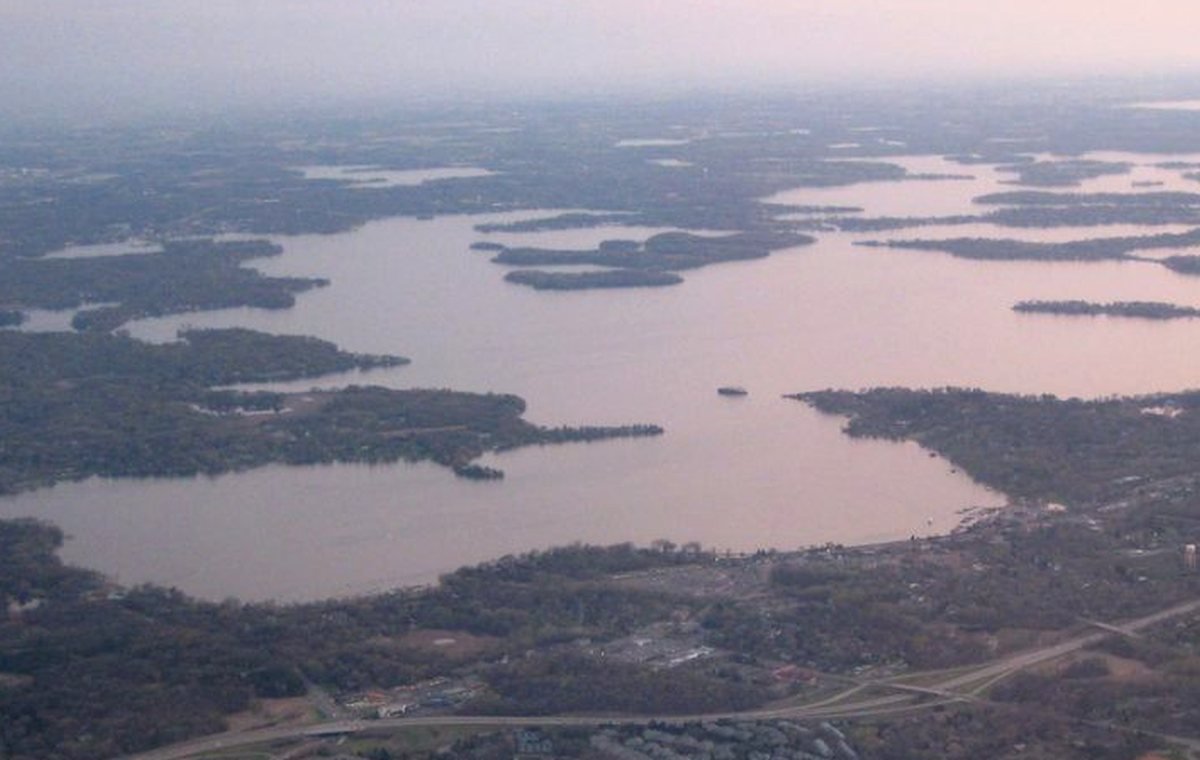
Aerial Minnesota lake view used for learning about map identity and lake records.
Lake Minnetonka aerial — edkohler / CC BY 2.0

Source-aware activity guide

Plan the experience without pretending conditions are fixed.

Quiet paddling pages should encourage thoughtful planning without exposing fragile places or pretending a lake will be peaceful when visitors arrive. Use source-backed access, weather checks, and respectful low-impact habits.

Look for fit, not secrecy.

Smaller lakes, protected bays, carry-in access, and early starts can shape a quieter trip, but the guide avoids secret-spot language and crowd-pressure claims.

Confirm access first.

A quiet-looking lake still needs lawful access. Public access and water-trail context should come from official or local sources.

Protect the quiet you came for.

Low noise, clean launches, aquatic invasive species prevention, and respectful distance from wildlife keep the experience better for everyone.

Planning visual

A diagram for safer planning, not a fake live report.

This visual explains a planning pattern or source pathway without claiming current access, beach, ice, lodging, campground, or weather status.

Source-backed visual guide

Watershed explanation

Shows how water, land, and lake context connect.

Land drains Explain, verify, then publish
Streams connect Explain, verify, then publish
Wetlands buffer Explain, verify, then publish
Lake receives Explain, verify, then publish
Official assessment Explain, verify, then publish
Source rule: Watershed labels, assessment language, and impairment context must come from approved geospatial or water-quality sources.
Watershed explanation infographic; watershed names and assessments render only when source-backed.

Published lake links

Lake cards appear only when records support this activity.

These cards are queried from public-ready lake records and source-backed activity fields. If none qualify, the guide stays useful without inventing recommendations.

No published source-backed lake cards yet.

When lake records pass source, media, map, and publish gates, matching lakes will appear here automatically.

Browse the lake archive

Official-source trail

Where this guide points next.

Use these source paths for details that can change or require the official authority.

Keep planning

Keep exploring

Useful next steps

These links stay inside completed MinnesotaLakes.info routes so visitors can move from maps, guides, counties, sources, and lake records without dead ends.

Lakes

Use the lake archive. It shows public lake records only when source and map context are ready.

Lakes

Plan

Use filters, seasonal cards, packing ideas, safety checks, and a temporary lake comparison table without creating an account.

Plan

Maps

Use the finished map hub for LakeFinder help, depth-source guidance, official source links, and click-to-load map data.

Maps

Collections

Open curated discovery modules for big lakes, clear-water records, family trips, paddling, fishing by region, fall color, Metro lake days, Boundary Waters, and North Shore planning.

Collections